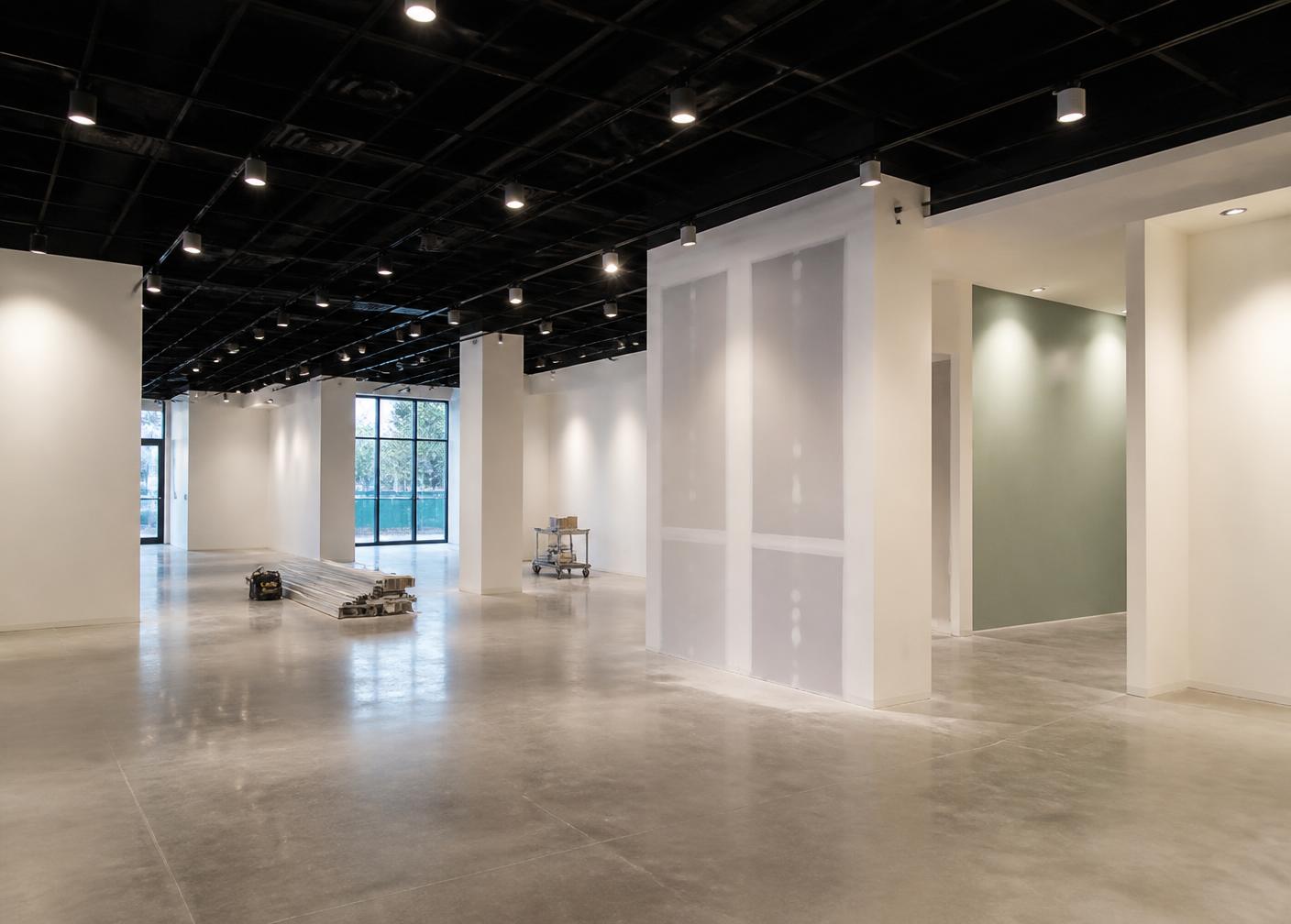
Tenant improvements
Tenant Improvements Built Around Your Opening Date
Tenant improvement work is measured in lease dates, not preferences. We scope the buildout, coordinate trades and inspections, keep the landlord and tenant aligned, and drive the schedule toward occupancy.
Overview
One Manager Between Landlord, Tenant, and Trades
Most TI delays come from unclear responsibility: who pays for what, what the landlord's work letter covers, and which inspection blocks occupancy. We track the scope against the lease exhibit, sequence trades against inspection milestones, and report progress in writing to both sides.
- Scope tracked against the lease work letter
- Trade sequencing driven by inspection milestones
- Written progress reporting for landlord and tenant
- After-hours work available in occupied buildings
Scope 01
Buildout and Space Modification
- Office buildouts
- Retail space improvements
- Demising and partition walls
- Suite reconfiguration
- Ceiling grid and lighting
- Commercial flooring
- Paint and wall finishes
- Storefront and entry improvements
Scope 02
Systems and Compliance Coordination
- Electrical and data rough-in
- Plumbing and restroom modifications
- HVAC distribution changes
- Accessibility improvements
- Life-safety device coordination
- Permit and inspection coordination
- Signage installation coordination
- Final cleaning and turnover
Scope 03
Facility and Recurring Work
- Commercial repairs
- Facility upgrades
- Exterior improvements
- Parking and walkway repairs
- Emergency property response
- Preventive project coordination
- Multi-suite improvement programs
- Punch list and warranty follow-up
How the project runs
Our Commercial Tenant Improvements Process
- 01
Site visit and review of plans or the lease work letter
- 02
Written scope with responsibility split and exclusions
- 03
Permit, long-lead, and inspection schedule mapping
- 04
Coordinated buildout with progress reporting to both parties
- 05
Inspections, punch list, cleaning, and documented turnover
What to plan for
Project Considerations
Occupied Buildings
Neighboring tenants keep operating. We plan noisy or dusty work for approved hours and maintain clear egress paths throughout the project.
Lease and Allowance Alignment
We keep the scope mapped to the work letter and TI allowance so cost responsibility between landlord and tenant is documented rather than debated.
Occupancy Milestones
Inspections that gate occupancy are identified early and scheduled as fixed milestones, with the trade sequence built backwards from them.
Service area
Commercial Tenant Improvements Across the Western Slope
We take commercial tenant improvements projects throughout our service area. Travel, trade availability, and season affect scheduling for outlying communities.
- Commercial Tenant Improvements in Montrose, CO
- Commercial Tenant Improvements in Grand Junction, CO
- Commercial Tenant Improvements in Delta, CO
- Commercial Tenant Improvements in Ridgway, CO
- Commercial Tenant Improvements in Ouray, CO
- Commercial Tenant Improvements in Telluride, CO
- Commercial Tenant Improvements in Gunnison, CO
- Commercial Tenant Improvements in Cedaredge, CO
- Commercial Tenant Improvements in Olathe, CO
- Commercial Tenant Improvements in Fruita, CO
- Commercial Tenant Improvements in Palisade, CO
- Commercial Tenant Improvements in Paonia, CO
- Commercial Tenant Improvements in Crested Butte, CO
Questions
Commercial Tenant Improvements FAQs
Both. The important thing is that one written scope defines who is responsible for each item, which is what we produce before work begins.
Yes. In occupied buildings, noisy or disruptive scopes are commonly scheduled evenings or weekends with building management approval.
Yes. We build scope and schedule from your plan set and coordinate trades and inspections against it, flagging conflicts before they become field problems.
When a scope requires permits, we coordinate submittal and inspection scheduling with the local jurisdiction as part of managing the project.